









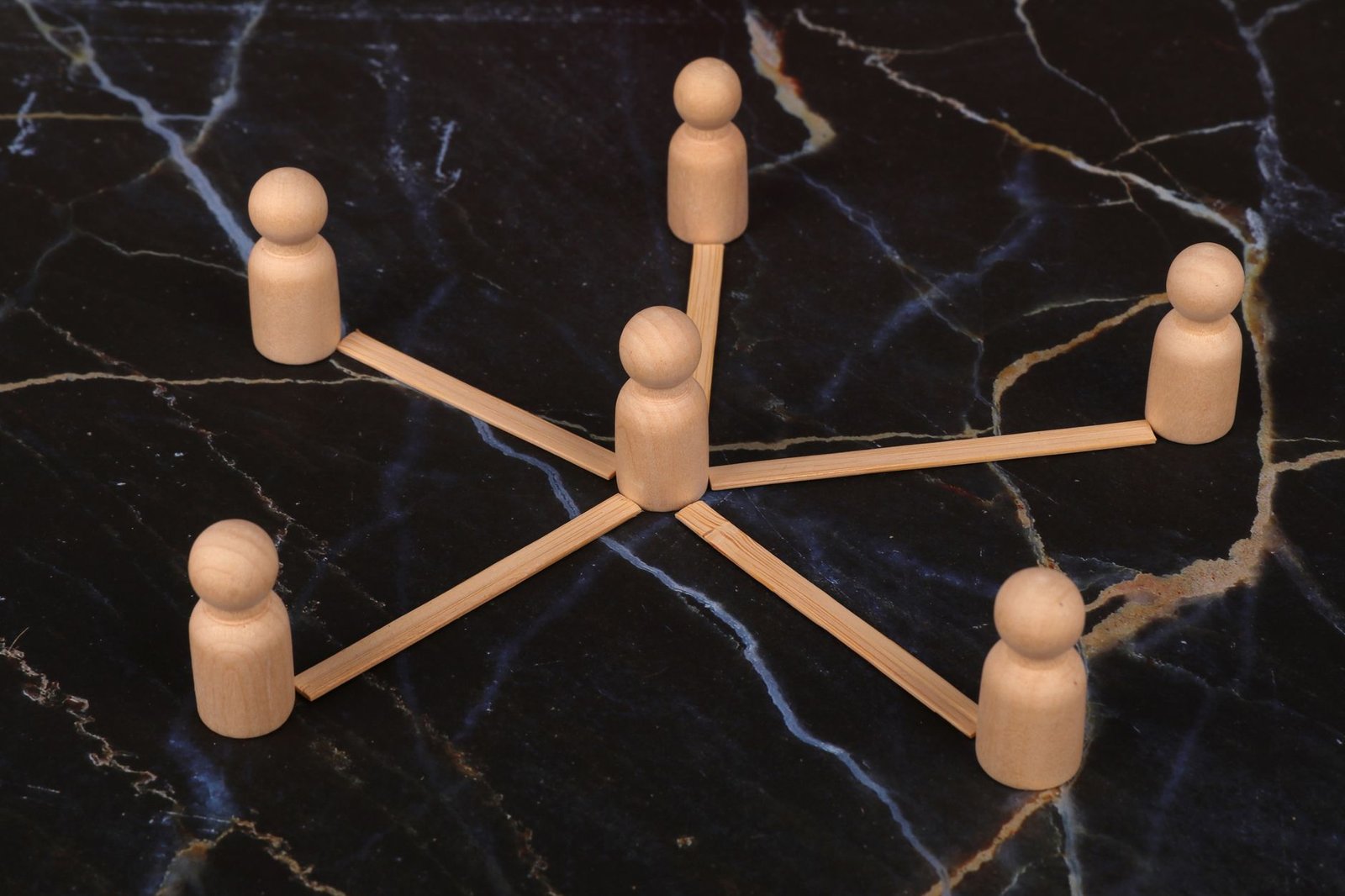
The meaning of good healthcare continues to expand as individuals seek care that addresses both immediate concerns and broader wellness goals. Comprehensive healthcare considers physical health alongside lifestyle, emotional well-being, prevention, and personal circumstances. This philosophy places importance on understanding the individual as a whole, an approach reflected in the work and professional perspective associated with Dr Lynn Puana.
Contents
- A Complete View of Personal Health
- Prevention Supports Long-Term Health
- Personalized Guidance Creates Relevance
- Healthy Habits as Everyday Practice
- Connecting Physical and Emotional Wellness
- Empowering Informed Decisions
- Sustaining a Culture of Wellness
A Complete View of Personal Health
Whole-person wellness begins with a simple principle: health cannot always be understood by examining one concern in isolation. Daily routines, nutrition, sleep, activity levels, stress, relationships, and personal history may all influence an individual’s experience of health.
A comprehensive perspective encourages healthcare conversations that consider these connections. It allows patients to discuss not only what feels wrong but also what they want to improve, maintain, or understand about their overall well-being.
Prevention Supports Long-Term Health
Preventive care is central to a forward-looking wellness philosophy. It encourages people to pay attention to their health before concerns become more difficult to manage. Regular professional consultations, appropriate screenings, healthy lifestyle practices, and awareness of personal risk factors can all support responsible health planning.
Prevention also encourages education. When people understand why monitoring and healthy routines matter, they may become more engaged with their own healthcare. This creates a stronger foundation for informed decisions and ongoing wellness.
Personalized Guidance Creates Relevance
Healthcare becomes more meaningful when recommendations recognize individual circumstances. A person’s daily responsibilities, preferences, experiences, and goals can affect how practical a particular wellness strategy may be.
The philosophy associated with Dr Lynn Puana emphasizes the value of seeing the person behind the health concern. Personalized conversations can help connect professional guidance with real-world needs, making wellness planning more understandable and adaptable.
Healthy Habits as Everyday Practice
Comprehensive wellness is often supported by habits that become part of ordinary life. Balanced nutrition, appropriate physical activity, sufficient rest, hydration, relaxation, and effective stress management can contribute to overall health when incorporated consistently.
Healthy living does not require perfection. Individuals may face demanding schedules, changing priorities, or unexpected challenges. A flexible approach allows people to adjust their routines while continuing to work toward meaningful health goals.
Connecting Physical and Emotional Wellness
Physical and emotional well-being are closely connected. Stress can influence energy and concentration, while ongoing physical discomfort can affect mood and daily activities. Considering these relationships can help create a more complete understanding of a person’s health experience.
Professional communication plays an important role in this process. Patients should feel comfortable discussing concerns and asking questions. When conversations are open and respectful, healthcare planning can become more collaborative and responsive.
Empowering Informed Decisions
Patient participation is an important feature of modern wellness. Individuals benefit when they understand their health options and have opportunities to discuss priorities with qualified healthcare professionals.
Education can support this participation by making medical information easier to understand. Clear communication helps individuals recognize the purpose of recommendations and consider how different choices may fit into their circumstances.
Sustaining a Culture of Wellness
Whole-person wellness is best viewed as an ongoing process rather than a temporary objective. It involves continued awareness, prevention, healthy routines, communication, and attention to changing personal needs.
The comprehensive philosophy connected with Dr Lynn Puana demonstrates the value of approaching wellness from multiple perspectives. By combining personalized attention with preventive thinking and recognition of everyday lifestyle factors, whole-person care can encourage individuals to take a more active role in maintaining their health and supporting a meaningful quality of life.
What You Need to Know
- Comprehensive healthcare considers physical health alongside lifestyle, emotional well-being, prevention, and personal circumstances.
- Prevention is central to a forward-looking wellness philosophy and encourages regular professional consultations and healthy lifestyle practices.
- Healthcare becomes more meaningful when recommendations recognize individual circumstances, including daily responsibilities and personal goals.
- Balanced nutrition, appropriate physical activity, sufficient rest, hydration, relaxation, and effective stress management are crucial for overall health.
- Physical and emotional well-being are interconnected, with stress and physical discomfort impacting each other.
- Whole-person wellness is seen as an ongoing process that involves continued awareness, communication, and adaptation to personal needs.